

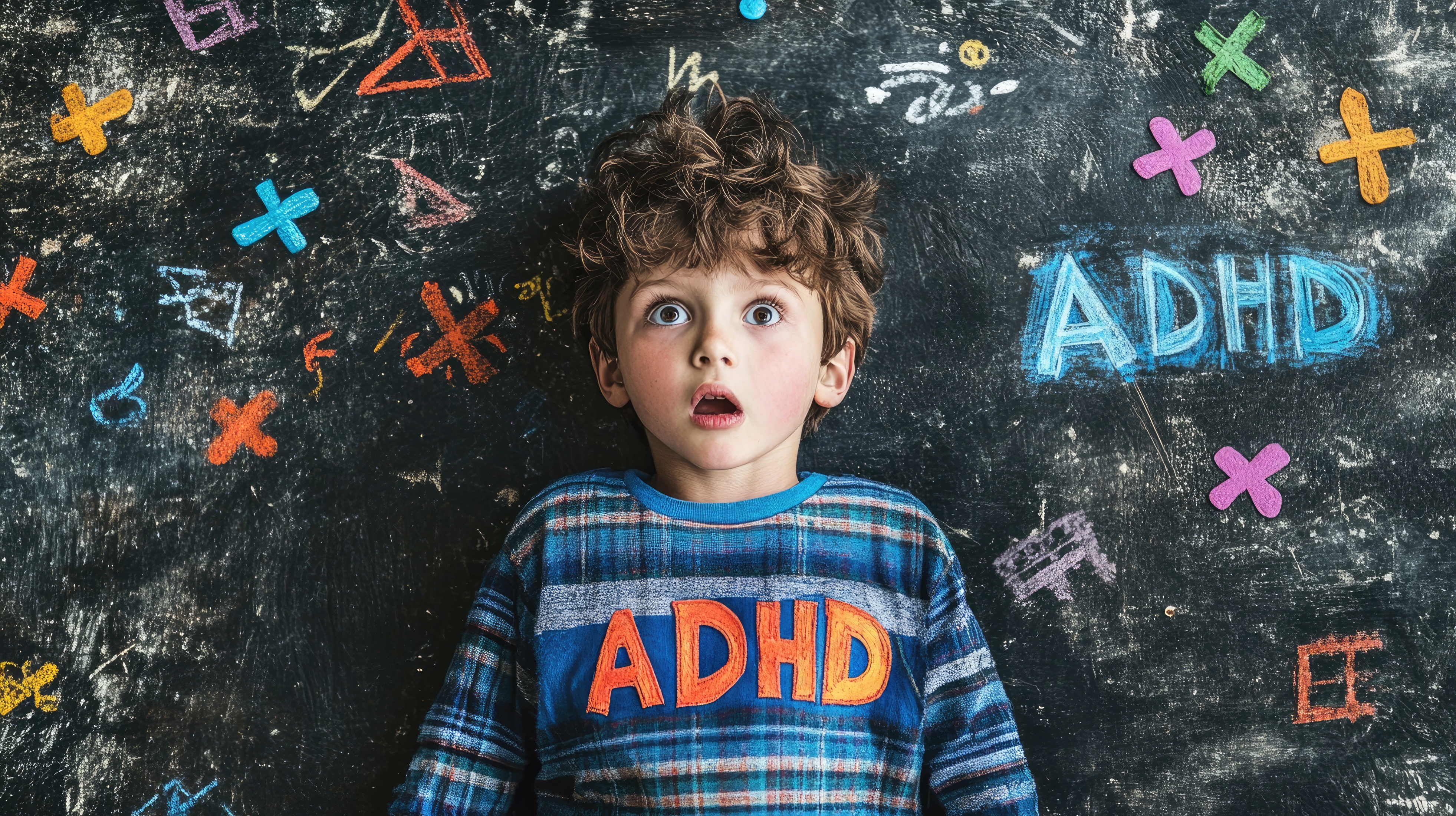
What is Childhood ADHD?
Childhood ADHD, or Attention-Deficit/Hyperactivity Disorder, is a common brain condition. It affects how children pay attention, sit still, and control their actions. According to the CDC, about 1 in 10 children in the United States have been diagnosed with ADHD. Because it can impact school, friendships, and family life, understanding childhood ADHD is important for parents and caregivers. Early support can make a big difference.
Common Symptoms of Childhood ADHD
Children with ADHD may show different signs. However, most symptoms fall into two main groups: inattention and hyperactivity-impulsivity. Not every child will have all symptoms. But, if you notice several of these signs, it may be time to talk to a doctor.
For example, a child may forget homework often or have trouble sitting still during class. These behaviors can be normal sometimes. Yet, if they happen often and cause problems, ADHD could be the reason.
Causes and Risk Factors
Experts do not know the exact cause of childhood ADHD. Still, research shows that several factors can raise the risk. Understanding these can help families and doctors spot ADHD early.
Although these factors can increase risk, not every child with them will develop ADHD. Likewise, some children with ADHD may not have any known risk factors.
How is Childhood ADHD Diagnosed?
Diagnosing ADHD in children takes time and care. There is no single test for ADHD. Instead, doctors use several steps to make a diagnosis. Early diagnosis can help children get the support they need.
For example, a doctor may ask about the child’s school performance and social life. In some cases, specialists such as child psychologists may help with ADHD diagnosis in children. In certain areas, access to these specialists may vary, so local resources can be important.
Treatment Options for Childhood ADHD
Treatment for childhood ADHD often includes a mix of approaches. The goal is to help children manage symptoms and succeed at home and school. Doctors usually create a plan that fits each child’s needs.
For many children, starting with behavior therapy is helpful. Sometimes, medication may be added if symptoms remain strong. Always talk to a pediatric specialist before starting any treatment for childhood ADHD.
Lifestyle Tips and Support for Families
Managing childhood ADHD can be challenging. However, families can use simple strategies to help their child thrive. Here are some parenting tips for ADHD:
In addition, joining support groups can help parents share ideas and find encouragement. Many communities offer resources for families living with ADHD.
Prevention and Early Intervention
While it is not always possible to prevent childhood ADHD, early intervention can make a big difference. For instance, avoiding tobacco, alcohol, and drugs during pregnancy may lower risk. Regular check-ups and early screening can help spot signs of ADHD sooner. When families and doctors work together, children can get the help they need early on.
In summary, understanding childhood ADHD helps families support their children better. If you notice signs of ADHD, consult a pediatric specialist for personalized advice on managing childhood ADHD.