

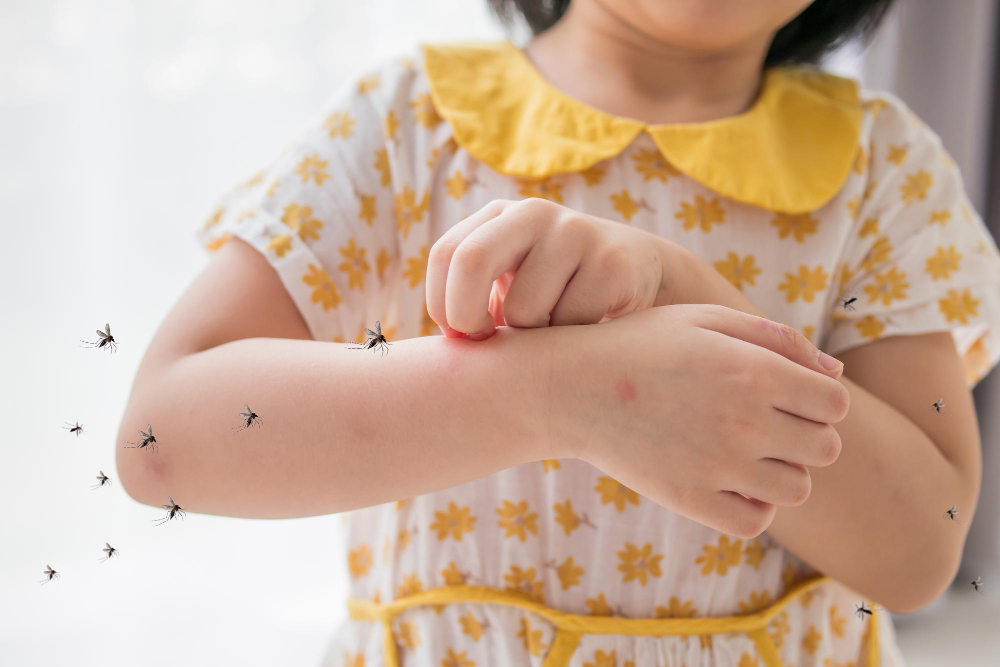
What is Dengue in Children?
Dengue in children is a viral infection spread by mosquitoes. It is common in tropical and subtropical areas. Children are at risk, especially during rainy seasons. The disease can cause mild or severe illness. Early detection is important for a quick recovery. According to the World Health Organization (WHO), dengue affects millions of children worldwide each year. Because children may not always show clear signs, parents should stay alert.
Common Symptoms of Dengue in Children
Dengue symptoms in kids can appear 4 to 10 days after a mosquito bite. However, not all children show the same signs. Some may have mild symptoms, while others may feel very sick. Watch for these common symptoms:
Sometimes, symptoms can get worse. For example, children may develop severe abdominal pain, persistent vomiting, or bleeding. In these cases, seek medical help right away.
Causes and Risk Factors
Dengue in children is caused by the dengue virus. Mosquitoes, mainly the Aedes aegypti species, spread this virus. When a mosquito bites an infected person, it can carry the virus and pass it to others. Children living in areas with many mosquitoes are at higher risk. Additionally, poor sanitation and standing water increase the chance of mosquito breeding. If your child spends time outdoors or in crowded places, the risk may be higher. Also, children with weak immune systems may get sicker.
How is Dengue Diagnosed in Children?
Doctors diagnose dengue in children by looking at symptoms and doing blood tests. First, they ask about recent travel or mosquito bites. Then, they check for signs like fever and rash. Blood tests help confirm the diagnosis. These tests look for the dengue virus or antibodies in the blood. Sometimes, doctors may repeat tests to track changes. Early diagnosis helps start treatment sooner and prevents complications.
Treatment Options for Children with Dengue
There is no specific medicine to cure dengue in children. However, most children recover with proper care at home or in the hospital. Treatment focuses on easing symptoms and preventing dehydration. Here are some common steps:
In severe cases, children may need hospital care. Doctors may give fluids through a vein and closely watch their health. According to the Centers for Disease Control and Prevention (CDC), early care can lower the risk of serious problems.
Prevention Tips for Parents and Caregivers
Preventing dengue in children is the best way to keep them safe. Because mosquitoes spread the virus, focus on reducing bites and mosquito breeding. Try these tips:
In some countries, dengue vaccines are available for older children. However, talk to your doctor to see if this is right for your child.
When to Seek Medical Help
Sometimes, dengue in children can become severe. If your child has any of these warning signs, seek medical help right away:
Early treatment can save lives. Therefore, do not wait if you notice these symptoms.
In summary, dengue in children can be serious, but early care and prevention help. Consult a pediatrician for personalized advice if you suspect dengue in your child.