

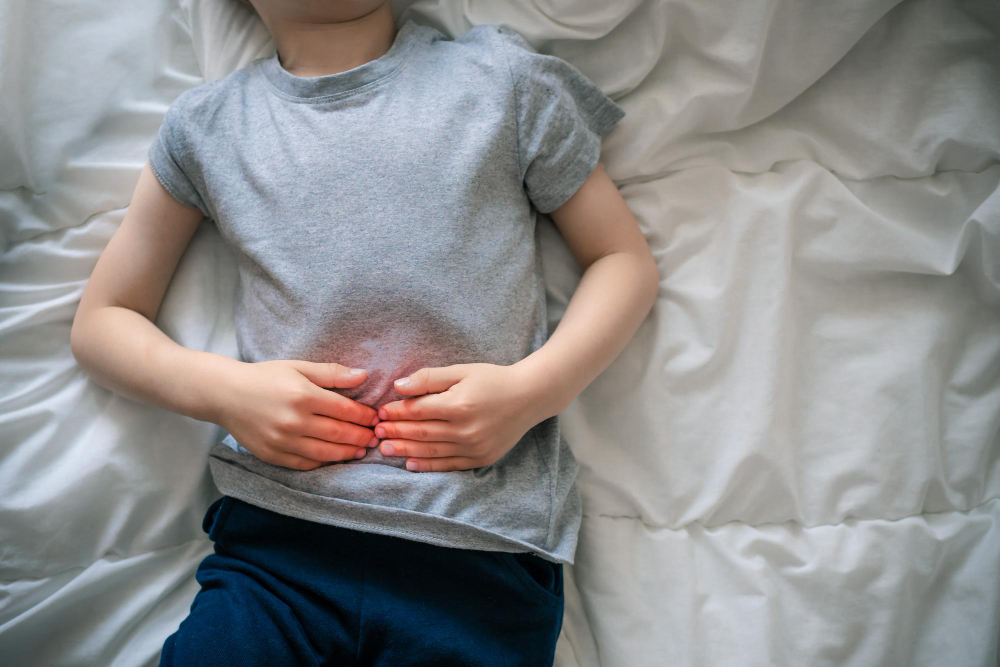
What Are Worm Infections in Children?
Worm infections in children are common in many parts of the world. These infections happen when tiny worms, like roundworms or pinworms, enter a child’s body. Often, these worms live in the intestines. In some cases, they can cause health problems. According to the World Health Organization (WHO), millions of children get worm infections each year. While some children show clear symptoms, others may not show any signs at all.
How Do Children Get Worm Infections?
Children can get worm infections in several ways. For example, they might touch soil or sand that has worm eggs. Then, if they put their hands in their mouth, the eggs can enter their body. In addition, eating unwashed fruits or vegetables can also lead to infection. Sometimes, drinking unsafe water is a cause. In many regions, such as rural areas or places with poor sanitation, the risk is higher. Because children often play outside and may forget to wash their hands, they are more likely to get worms.
Common Signs and Symptoms Parents Often Miss
Many parents look for obvious signs of worms in kids, like stomach pain or itching. However, worm infections in children can also cause subtle symptoms. These signs are easy to miss. For instance, children may:
Sometimes, you may notice worms in your child’s stool or around the anus. Yet, not all children show these clear signs. Therefore, it is important to watch for any changes in your child’s health or behavior.
How Worm Infections Are Diagnosed
Doctors use simple tests to check for worm infections in children. First, they may ask about symptoms and recent activities. Next, they might ask for a stool sample. This sample is checked under a microscope for worm eggs or larvae. In some cases, the doctor may use a tape test for pinworms. Here, a piece of tape is pressed to the skin around the anus in the morning. Then, the tape is checked for tiny eggs. These tests help confirm if your child has a worm infection.
Treatment Options for Worm Infections in Children
Treatment for worms in children is usually simple and effective. Doctors often prescribe medicines called dewormers. These medicines kill the worms in the body. Most children need only one or two doses. Sometimes, the doctor may suggest treating the whole family, especially if others have symptoms. In addition, your doctor may recommend repeating the treatment after a few weeks to prevent reinfection. It is important to follow the doctor’s instructions and finish all medicine, even if your child feels better quickly.
Prevention Tips for Parents
Parents can help prevent worm infections in children by taking a few simple steps. For example:
In many countries, schools run regular deworming programs. These programs help reduce the risk of worm infections in children in the community.
When to See a Doctor
Sometimes, mild symptoms go away on their own. However, you should see a doctor if your child:
Early treatment can prevent problems. If you live in an area where worm infections in children are common, regular check-ups can help keep your child healthy.