

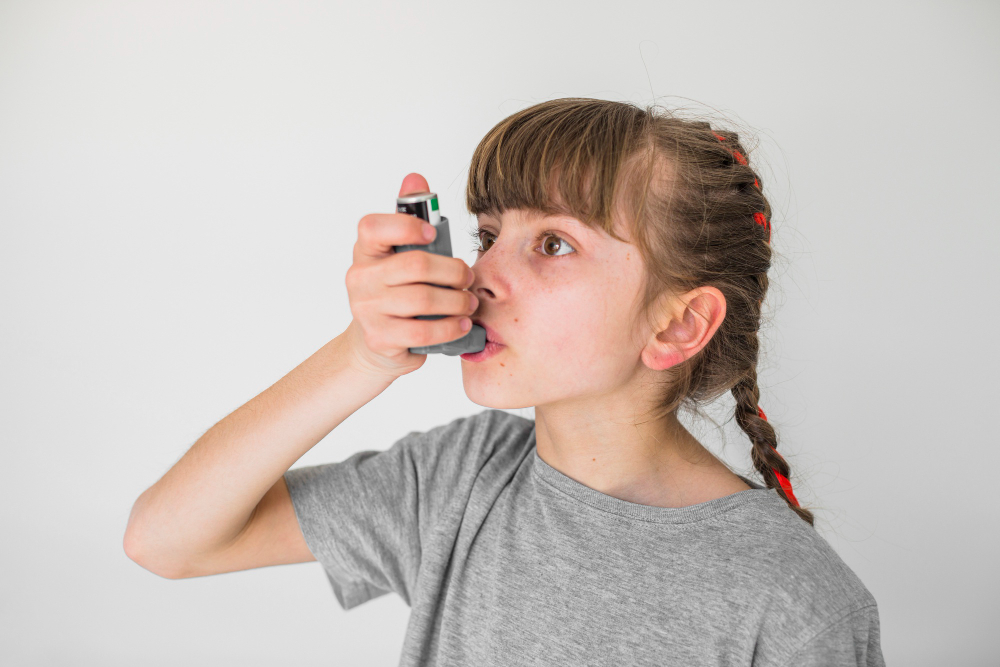
Introduction to Asthma in Children
Asthma in children is a common long-term lung condition. It causes the airways to become swollen and narrow. As a result, children may find it hard to breathe. According to the CDC, asthma affects millions of children worldwide. In fact, it is one of the main reasons kids miss school. Early diagnosis and good management can help children live healthy lives. Parents and caregivers play a key role in supporting children with asthma.
Common Symptoms of Childhood Asthma
Recognizing childhood asthma symptoms early is important. Symptoms can be mild or severe. Sometimes, they may get worse quickly. However, not all children have the same signs. Watch for these common symptoms:
Sometimes, symptoms may look like a cold or allergies. Therefore, it is important to talk to your doctor if you notice these signs.
Main Causes and Risk Factors
Asthma in children can develop for many reasons. While the exact cause is not always clear, several factors can increase the risk. These include:
Additionally, some children may react to exercise, cold air, or strong smells. Understanding these triggers can help families manage asthma better.
How Asthma Is Diagnosed in Children
Doctors use several steps to diagnose asthma in children. First, they ask about symptoms and family history. Next, they may do a physical exam. Sometimes, doctors use breathing tests to check lung function. For young children, these tests can be hard. In such cases, doctors may watch how the child responds to asthma medicine. If symptoms improve, it may confirm the diagnosis. Always follow your doctor’s advice for the best results.
Treatment Options and Management Strategies
Treating pediatric asthma involves more than just medicine. The main goals are to control symptoms and prevent attacks. Treatment plans may include:
Moreover, it is important to follow the treatment plan closely. Missing doses or stopping medicine can lead to more attacks. Always keep your child’s inhaler nearby, especially during play or exercise.
Lifestyle Tips for Families and Children with Asthma
Managing asthma in kids goes beyond medicine. Families can take simple steps to help children stay healthy. For example:
With these steps, children can join in most activities. However, always talk to your doctor before starting new sports or activities.
Prevention and When to Seek Medical Help
While asthma cannot always be prevented, you can lower your child’s risk of attacks. For instance, avoid smoking around your child. Also, keep up with regular doctor visits. If your child has trouble breathing, cannot speak, or their lips turn blue, seek emergency help right away. Early action can save lives.
Conclusion
Asthma in children is manageable with the right care. By knowing the symptoms, causes, and treatment options, families can help children lead active lives. For personalized asthma management, consult a pediatric specialist today.