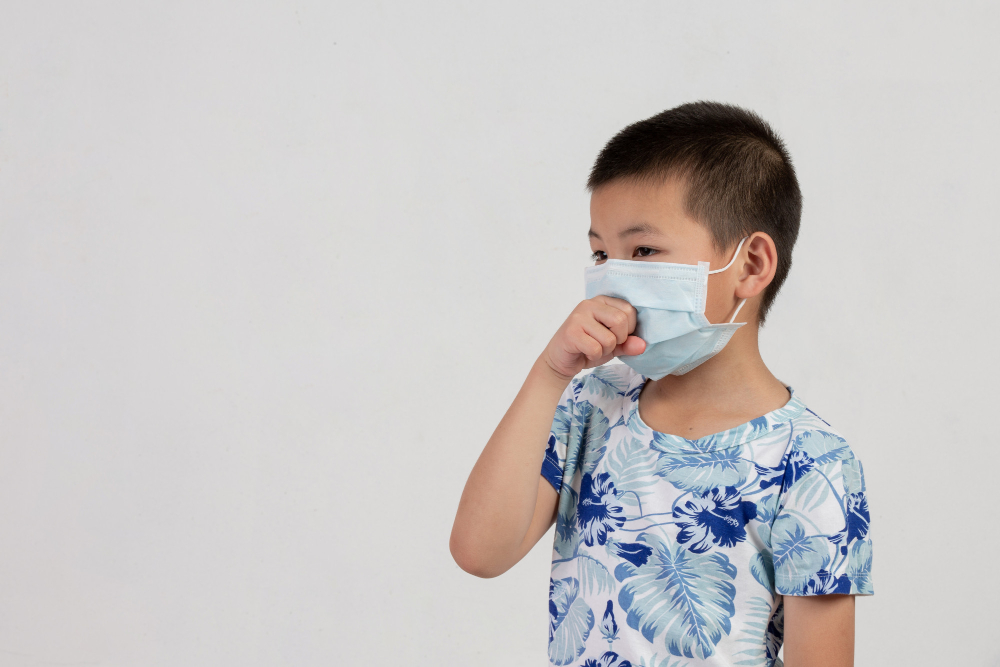
Respiratory infections in children are common and can affect the nose, throat, or lungs. These illnesses include the common cold, flu, and more serious problems like pneumonia. Because children’s immune systems are still growing, they can get sick more easily. Therefore, preventing and treating respiratory infections in children is very important. Parents often ask about childhood respiratory infection prevention and how to protect children from respiratory illnesses. Early care and the right steps can help your child recover faster and stay healthy.
What Are Respiratory Infections in Children?
Respiratory infections are illnesses that affect the breathing system. In children, these infections can range from mild to severe. For example, some common types include:
Each type may need different care. However, all can make your child feel unwell.
Symptoms of Respiratory Infections
Children may show different signs when they have a respiratory infection. For instance, watch for these common symptoms:
If your child has several of these symptoms, it may be a respiratory infection.
Causes and Risk Factors
Most respiratory infections in children are caused by viruses. Sometimes, bacteria can also be the cause. Children catch these germs by:
Some children are at higher risk. For example, those who:
Knowing these risks can help you take steps to protect your child.
Prevention Tips
Preventing respiratory infections in children is possible with simple actions. Here are some tips for childhood respiratory infection prevention:
In your city or region, follow local health advice for respiratory infection prevention, especially during flu season.
Diagnosis
Doctors diagnose respiratory infections in children by asking about symptoms and doing a physical exam. Sometimes, they may listen to your child’s chest with a stethoscope. In some cases, they might order tests, such as:
These tests help find out if the infection is caused by a virus or bacteria. As a result, your doctor can choose the best treatment.
Treatment Options
Treating respiratory infections in children depends on the cause and severity. Most mild infections get better with home care. For example:
However, if your child has a bacterial infection, the doctor may prescribe antibiotics. Never give antibiotics without a doctor’s advice. If symptoms are severe or do not improve, seek medical help. Pediatric respiratory infection treatment may include hospital care in rare cases.
When to See a Doctor
Sometimes, respiratory infections can become serious. Watch for these warning signs and seek urgent care if your child:
Early medical care can prevent complications.
Lifestyle and Home Care Guidance
Caring for a sick child at home is important for recovery. Here are some helpful tips:
Additionally, keep your child away from smoke and sick contacts. This helps prevent the infection from getting worse or spreading to others.
For more information, you can visit trusted sources like the CDC or WHO. Always consult a pediatrician for personalized advice on preventing and treating respiratory infections in your child.