

Introduction
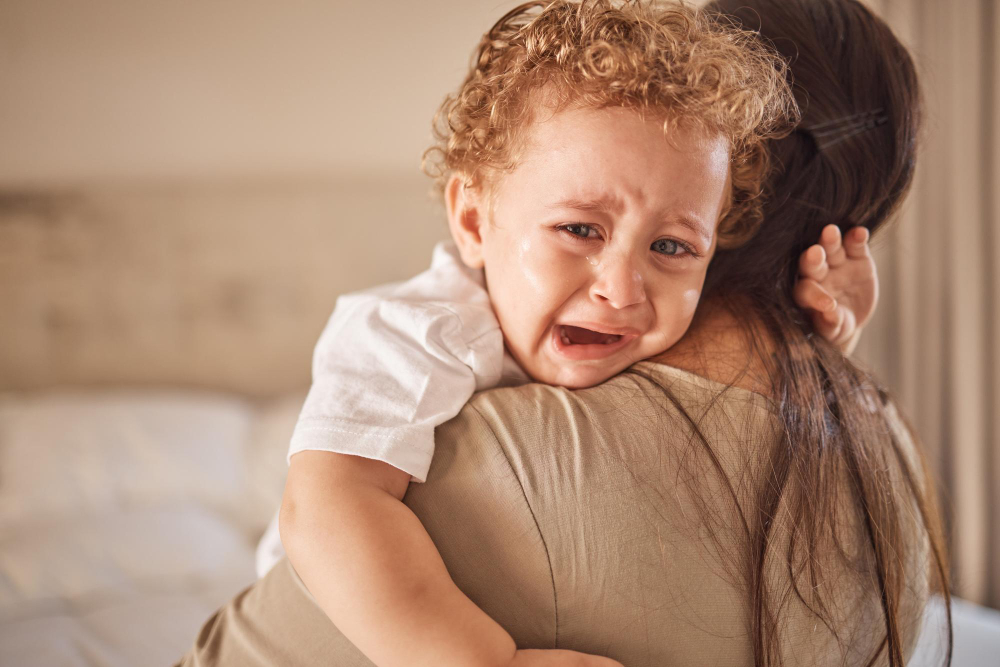
Many parents worry about excessive crying in children. While crying is normal, sometimes it can seem too much. Understanding why children cry excessively helps parents respond better. In this blog, we will explore the causes, symptoms, diagnosis, and management of excessive crying in children. We will also discuss when to see a pediatrician for crying and offer tips for parents and caregivers.
Common Causes of Excessive Crying in Children
Children cry for many reasons. Sometimes, the cause is simple. Other times, it may signal a health issue. Knowing the common causes can help you respond quickly. Here are some reasons why children cry excessively:
However, if crying continues despite meeting basic needs, it may be a sign of something more serious.
Recognizing Symptoms and Warning Signs
At times, excessive crying in children can be a warning sign. It is important to watch for other symptoms. For example, look for:
If you notice any of these, seek medical help right away. Early action can prevent complications.
How Pediatricians Diagnose Excessive Crying
Pediatricians use a careful approach to diagnose excessive crying in children. First, they ask about your child’s health history. Next, they perform a physical exam. They may also ask about feeding, sleep, and recent changes at home. Sometimes, doctors order tests to rule out infections or other conditions. For example, they may check for ear infections or urinary tract infections. According to the CDC, most cases are not serious, but a doctor’s evaluation is important if crying is persistent.
Management and Soothing Techniques
Managing persistent crying in kids can be challenging. However, several techniques can help soothe your child. Try these tips:
Sometimes, nothing seems to work. In such cases, take a short break and ask for help from another adult. This can help you stay calm and patient.
When to Seek Medical Help
Knowing when to see a pediatrician for crying is important. You should call your doctor if:
Early medical care can help find and treat the cause quickly.
Prevention and Parental Guidance
While you cannot prevent all crying, some steps can reduce it. For instance, keep a regular feeding and sleep schedule. Also, check your child’s comfort often. Here are more tips:
Remember, every child is different. What works for one may not work for another.
Conclusion
Excessive crying in children can worry any parent. However, understanding the causes and knowing when to seek help can make a big difference. Try soothing techniques and watch for warning signs. If you are unsure, consult a pediatrician for personalized advice if your child experiences excessive crying.