Introduction
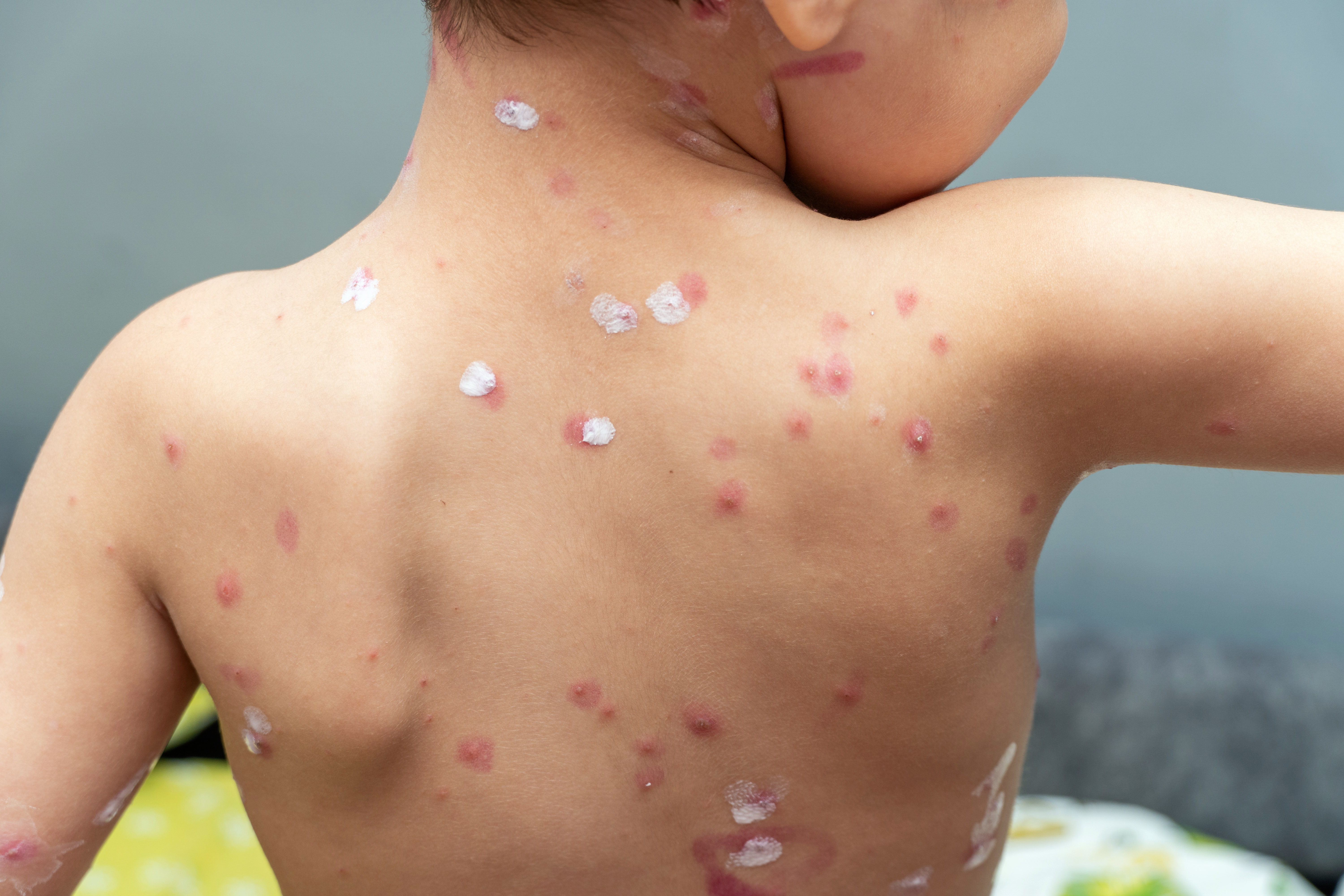
Many children experience common pediatric skin conditions at some point. These skin problems can include rashes, bumps, or dry patches. Because a child’s skin is sensitive, it can react to many things. For example, allergies, infections, or even the weather may cause skin issues. Understanding these conditions helps parents care for their child’s skin. In this blog, you will learn about symptoms, causes, diagnosis, and treatment of common pediatric skin conditions. You will also find tips for prevention and advice on when to see a doctor.
Symptoms of Common Pediatric Skin Conditions
Children can show many signs when they have a skin problem. However, not all symptoms mean a serious issue. Here are some typical symptoms:
Sometimes, symptoms can spread or change quickly. Therefore, it is important to watch for new or worsening signs.
Causes of Pediatric Skin Conditions
There are many reasons why children develop skin problems. For instance, some causes include:
Additionally, children with weaker immune systems may be at higher risk. According to the CDC, skin infections are common in young children because their immune systems are still developing.
Diagnosis of Pediatric Skin Conditions
Doctors use several steps to diagnose skin problems in children. First, they ask about the child’s symptoms and medical history. Next, they examine the skin closely. Sometimes, doctors may:
Because many skin conditions look alike, a doctor’s exam is important. Early diagnosis helps start the right treatment quickly.
Treatment Options for Common Pediatric Skin Conditions
Treatment depends on the type and cause of the skin problem. However, many conditions get better with simple care. Here are some common treatments:
At home, parents should follow the doctor’s advice. For example, avoid scratching, keep nails short, and use gentle soaps. According to the American Academy of Dermatology, regular skin care can prevent many flare-ups.
Prevention Tips for Parents
While not all skin conditions can be prevented, parents can take steps to lower the risk. For instance:
Additionally, avoid known triggers if your child has allergies. Early action can help prevent many skin problems.
When to See a Doctor
Some skin conditions need medical attention. You should contact a doctor if:
Early treatment can prevent problems from getting worse. Therefore, do not wait if you are unsure about your child’s symptoms.
Conclusion
In summary, common pediatric skin conditions can affect any child. However, most are easy to manage with the right care. If you notice any skin changes, watch for symptoms and follow prevention tips. Most importantly, consult a pediatrician for personalized advice on your child’s skin health.