

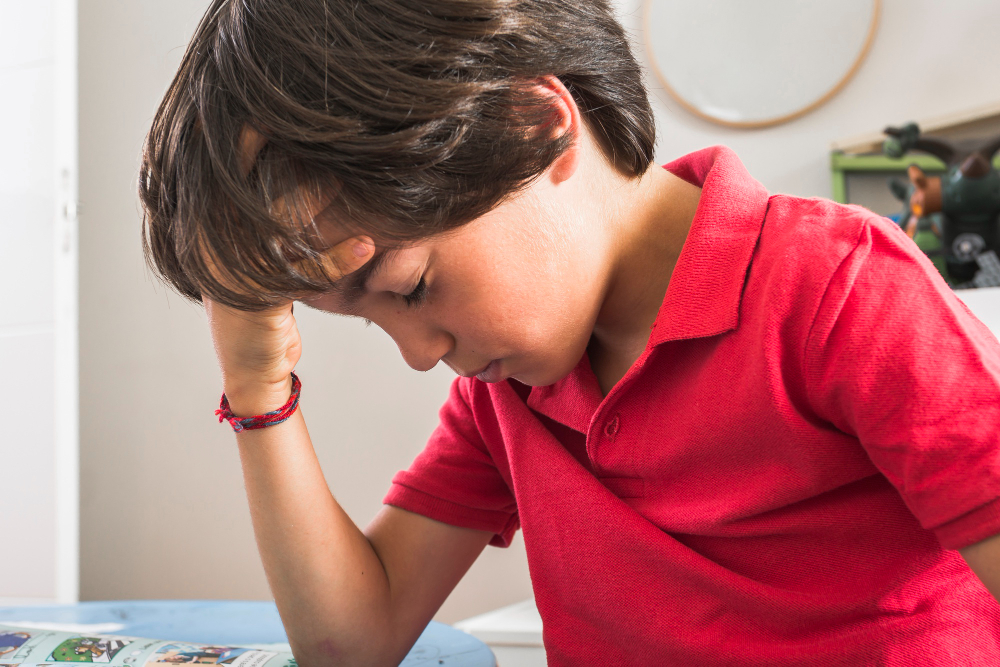
What Is Iron Deficiency Anaemia in Children?
Iron deficiency anaemia in children happens when a child does not have enough iron in their body. Iron is important because it helps make hemoglobin, which carries oxygen in the blood. Without enough iron, children may feel tired or weak. In the US and around the world, this condition is common in young children. According to the World Health Organization (WHO), iron deficiency is the most common cause of anaemia in children.
Common Signs and Symptoms Parents Should Watch For
Early signs of iron deficiency in kids can be easy to miss. However, knowing what to look for can help you spot problems early. Some common childhood anaemia symptoms include:
Sometimes, children may also have trouble focusing at school. If you notice several of these signs, it is important to talk to your child’s doctor.
Causes and Risk Factors
There are many reasons why a child may develop iron deficiency anaemia. For example, some children do not get enough iron from their diet. Others may lose iron due to blood loss or certain health conditions. Here are some common causes and risk factors:
In addition, children who follow vegetarian or vegan diets may be at higher risk if they do not eat enough iron-rich foods.
How Iron Deficiency Anaemia Is Diagnosed in Children
Doctors use several steps to diagnose iron deficiency anaemia in children. First, they ask about your child’s symptoms and diet. Next, they may do a physical exam to check for pale skin or other signs. Most often, doctors confirm the diagnosis with a blood test. This test measures hemoglobin and iron levels in the blood. According to the Centers for Disease Control and Prevention (CDC), early diagnosis is key for proper treatment.
Treatment Options and Dietary Guidance
Treating iron deficiency anaemia in children usually starts with adding more iron to the diet. Sometimes, doctors may also recommend iron supplements. However, it is important to follow the doctor’s advice, as too much iron can be harmful. Here are some foods that can help boost iron levels:
In addition, vitamin C helps the body absorb iron better. So, offer fruits like oranges, strawberries, or tomatoes with meals. Always talk to your pediatrician before starting any supplements.
Prevention Tips for Parents
Preventing iron deficiency in children is possible with a few simple steps. For example, you can:
By following these tips, you can help lower your child’s risk of anaemia.
When to Consult a Pediatrician
Sometimes, mild symptoms may go unnoticed. However, if you see signs of iron deficiency anaemia in your child, do not wait. Contact your pediatrician if your child:
Early treatment can prevent serious health problems. Your doctor will guide you on the best steps for your child’s health.
Conclusion
Iron deficiency anaemia in children is common but treatable. Knowing the signs of iron deficiency in kids can help you act early. If you notice any signs of iron deficiency anaemia in your child, consult a pediatrician for personalized advice.