

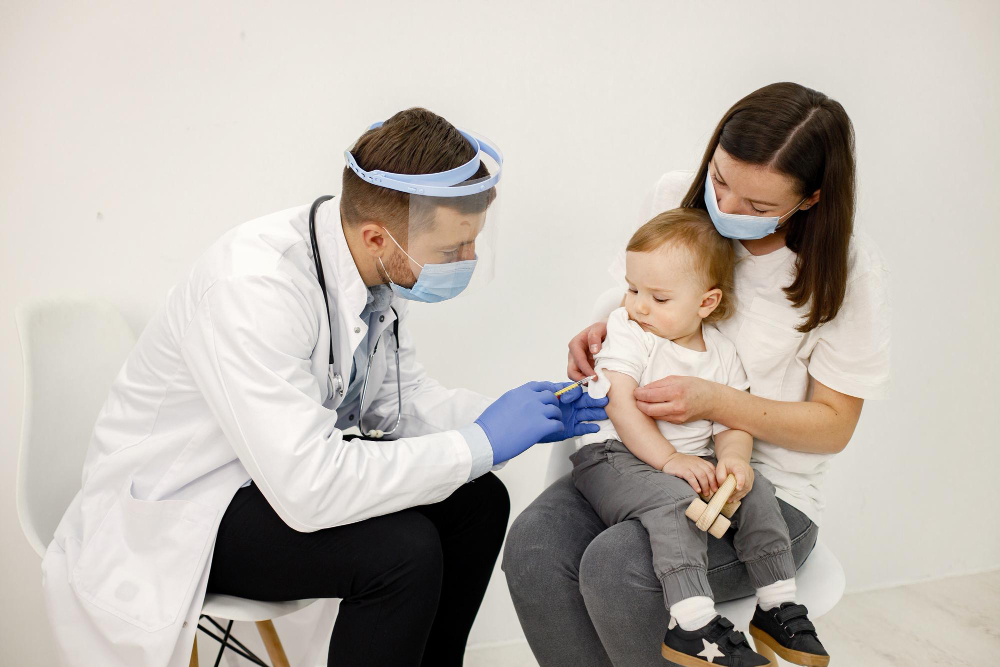
What Are Childhood Vaccinations?
Childhood vaccinations are shots that help protect children from dangerous diseases. For example, vaccines can prevent illnesses like measles, mumps, and polio. In fact, health experts such as the CDC and WHO recommend these vaccines for all children. Because vaccines are given at certain ages, parents can follow a vaccine schedule for children. This schedule helps keep kids healthy from an early age. Although some parents worry about shots, vaccines are safe and important for every child.
Why Are Vaccines Important for Children?
Vaccines help prevent serious diseases that can cause lasting harm. For instance, some illnesses can lead to hospital stays or even death. However, when children get vaccinated, they build strong protection against these threats. As a result, fewer kids get sick or spread diseases to others. In addition, vaccines can stop outbreaks in schools and communities. Because of vaccines, many diseases are now rare or even gone in some places. Still, it is important to keep up with the recommended shots to stay protected.
Recommended Childhood Vaccines and Schedules
The vaccine schedule for children lists which shots are needed and when. Health experts update this schedule each year. For example, the CDC recommends the following vaccines for most children:
Because each vaccine is given at a certain age, parents should check with their child’s doctor for the latest schedule. In many cases, schools require proof of vaccination before children can attend.
How Vaccines Work: The Science Explained
Vaccines teach the body how to fight off germs. When a child gets a vaccine, it contains a tiny, safe part of a virus or bacteria. As a result, the immune system learns to recognize and attack the real germ if it ever enters the body. This process is called immunization. Although the vaccine does not cause the disease, it helps the body build strong defenses. Over time, this protection can last for many years or even a lifetime.
Common Myths and Facts About Childhood Vaccines
Some parents hear myths about vaccine safety for kids. However, most of these claims are not true. Here are some common myths and facts:
Because reliable sources support vaccine safety, parents can feel confident about immunizing their children.
What to Expect During and After Vaccination
Before the visit, parents can talk to the doctor about the vaccine schedule for children. During the visit, a nurse or doctor will give the shot, usually in the arm or thigh. Although most children feel only a quick pinch, some may cry or feel nervous. After the shot, it is normal for kids to have mild side effects, such as:
However, these effects usually go away in a day or two. If parents have concerns, they should contact their child’s doctor.
Safety, Side Effects, and Monitoring
Vaccine safety for kids is a top priority for health experts. Before approval, vaccines go through many tests to check for safety and effectiveness. After approval, experts keep monitoring vaccines for any rare side effects. Because most side effects are mild and short-lived, serious reactions are very rare. However, parents should watch for signs like trouble breathing or swelling after a shot. If these happen, seek medical help right away. For most children, the benefits of vaccines far outweigh the risks.
Tips for Parents: Preparing for Vaccination Visits
Preparing for a vaccine visit can help both parents and children feel more at ease. Here are some tips:
Because children may feel nervous, staying calm and supportive can make the process easier for everyone.
Prevention and Community Protection (Herd Immunity)
When most children in a community get vaccinated, it helps protect everyone. This is called herd immunity. For example, if enough people are immune, diseases cannot spread easily. As a result, even those who cannot get vaccines, like babies or people with certain health problems, stay safer. Because herd immunity depends on high vaccination rates, every shot counts. In this way, childhood vaccinations help keep families and communities healthy.